
Riyadh - Mubasher: The King Abdulaziz University in Saudi Arabia ranked first in the region, according to the Times Higher Education index.
Many of the universities featured in the ranking are specialist science and technology universities.
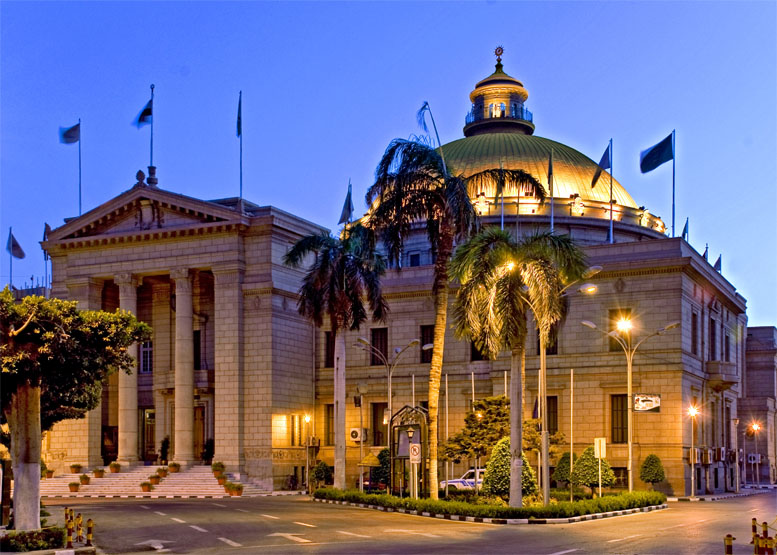
Egypt dominated the charts, being the most represented country in the ranking with nine universities, followed by Saudi Arabia with five institutions; the United Arab Emirates with four; Jordan and Morocco with three; while Tunisia has two; and Kuwait, Lebanon, Oman, Qatar and Algeria each have one university on the list.
The list is based on the World University Rankings overall scores, and we take a look at the top five educational hubs in Arab countries.
1. King Abdulaziz University (Saudi Arabia)
Established in 1967 in Jeddah on the banks of the Red Sea, it was named after the founder of Saudi Arabia, King Abdul-Aziz Al-Saud.
It was initially established as a private university but was converted to a public university in 1974.
2. Khalifa University (UAE)
Located in Abu Dhabi, with another campus in Sharjah, founded in 2007, and it offers eight undergraduate engineering-based programmes and seven graduate degree programmes.
3. Qatar University (Qatar)
Originally founded in 1973, making it the oldest university in Qatar, it is home to nine colleges: arts and sciences; business and economics; education; engineering; health sciences; law; medicine; pharmacy; and sharia and Islamic studies.
4. Jordan University of Science and Technology (Jordan)
The university is divided into two sections, the Medical Faculties Complex comprising the faculties of dentistry, medicine, nursing, applied medical sciences, pharmacy and science and arts, and the Engineering Faculties Complex, which contains the faculties of agriculture, computer and information technology, engineering, architecture and design and veterinary medicine.
5. United Arab Emirates University (UAE)
Founded in 1976, it is the oldest university in the country, however, its students enjoy diversity coming from 60 different countries, as international students make up around 25% of the total.
Last year, female students represented 81% of the student population, with males accounting for 19%.
The Full List: